Why 40% of US Oil Jobs Vanished Forever - The Shocking Truth Behind the Energy Industry's Workforce Collapse
The Permanent Shift in US Oil Employment
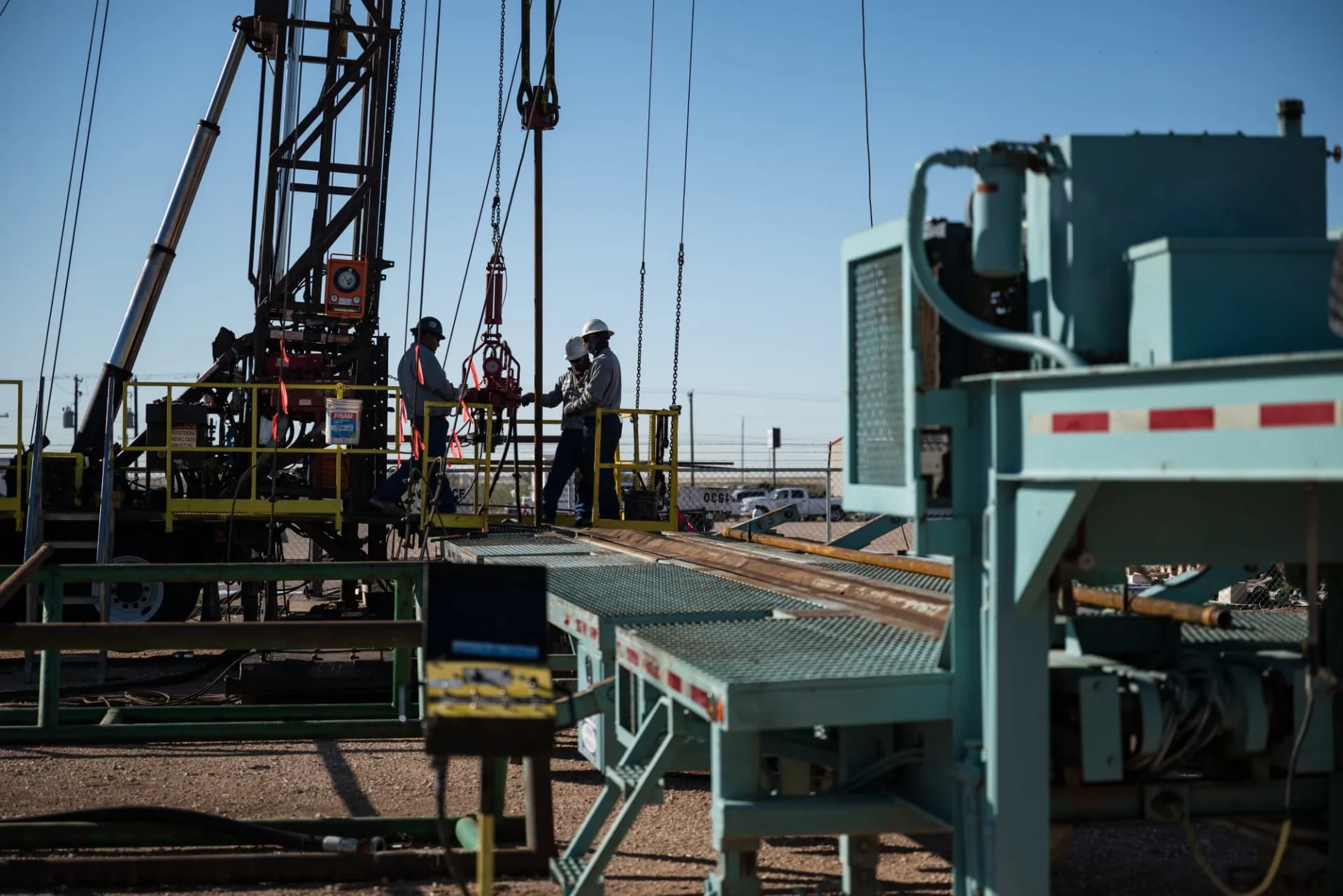
The US oil and gas industry has undergone a dramatic transformation over the past decade, with 40% of its workforce eliminated despite achieving record-breaking production levels. This unprecedented disconnect between output and employment signals a fundamental change in how the industry operates.
Breaking the Traditional Boom-Bust Cycle
Historically, the oil industry followed a predictable pattern: higher oil prices led to increased drilling activity, which in turn created more jobs. This boom-and-bust cycle has been a defining characteristic of the sector for generations. However, this traditional relationship has been permanently severed.
The turning point came with the bursting of the shale bubble in the mid-2010s, which exposed years of poor returns to investors and forced companies to fundamentally rethink their operations. Rather than simply weathering another downturn, oil majors implemented structural changes that have made them far more efficient.
The Efficiency Revolution
Today's oil companies are achieving record production levels with a fraction of the workforce that was previously required. This efficiency revolution means that even when oil prices rise and drilling activity increases, companies no longer need to hire at the same scale they once did.
The jobs lost during this transformation aren't just temporarily displaced - they're unlikely to return as the industry has permanently optimized its operations. This represents a seismic shift in employment patterns within one of America's most important industrial sectors.
What This Means for Workers and Communities
For workers who built careers in the oil and gas industry, this represents a challenging reality. The skills and experience that were once highly valued now face diminished demand as companies prioritize automation, technology, and leaner operations.
Communities that relied heavily on oil industry employment must now grapple with the long-term implications of this workforce reduction. The traditional economic model that supported these regions has been fundamentally altered.
The Future of Energy Employment
While the oil industry continues to be a significant part of the US economy, its role as a major employer has been permanently diminished. This trend reflects broader changes in the energy sector and serves as a case study in how technological advancement and efficiency gains can dramatically reshape employment landscapes.
- #oilindustry
- #energyjobs
- #workforcetrends
- #industrytransformation
- #careerchange
Comments · 0