The Hidden Crisis: Why Permanent Job Losses Are Surging in Today's Economy

Understanding Permanent Job Losses
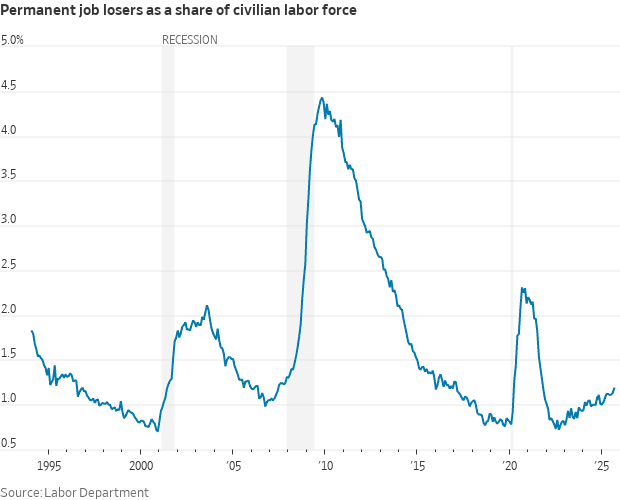
While recent employment data showed a net gain of 119,000 jobs, the unemployment rate actually ticked up from 4.3% to 4.4%. More importantly, there's a concerning trend emerging in the labor market that deserves attention: permanent job losers.
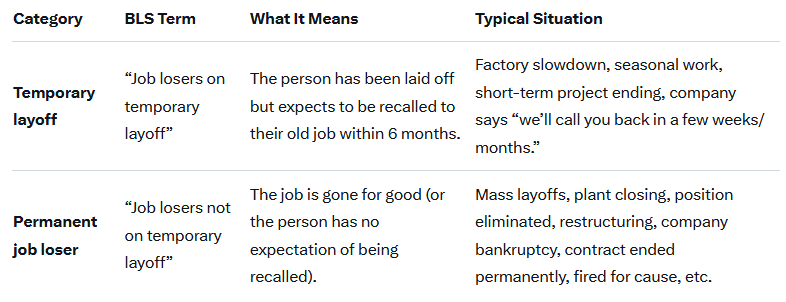
The Bureau of Labor Statistics divides "job losers" into two distinct categories:
- Permanent job losers: Workers who have permanently lost their positions
- Temporary job losers: Workers on temporary layoff who expect to be recalled
The Structural Shift in Employment
What makes the current situation particularly noteworthy is that this increase in permanent job losses is occurring during a period of economic growth. This suggests that many of these job losses are structural rather than cyclical - meaning they represent fundamental changes in the economy rather than temporary downturns.
It's important to understand that when a permanently laid-off worker finds new employment, they're no longer counted in this category. The data shows that permanent job losers typically increase rapidly right before or during recessions, then decline during economic recoveries.
Key Questions About the Trend
Several important questions arise from this data:
- Is the K-shaped economy causing permanent headcount reductions in struggling industries?
- Is artificial intelligence already resulting in permanent job displacement?
- Does this trend signal that a recession might be imminent?
- Could this simply be normalization following the pandemic's erratic labor market?
Broader Economic Context
The current economic landscape is complex, with massive capital expenditures in AI infrastructure potentially masking broader economic weaknesses. Major tech companies are investing unprecedented amounts in data centers and AI infrastructure, with some estimates showing global hyperscale spending rising 67% in 2025.
While these investments drive certain economic metrics, they may not translate into sustainable job growth across all sectors. The concentration of investment in specific areas creates a lopsided economic recovery that leaves many workers and industries behind.
What This Means for Workers
For Canadian job seekers and employed professionals, understanding these trends is crucial for career planning. The rise in permanent job losses indicates that some industries may be undergoing fundamental transformations that could affect long-term employment prospects.
Workers should consider:
- Developing transferable skills that remain valuable across industries
- Staying informed about sector-specific trends in their field
- Building financial resilience to weather potential job transitions
- Exploring opportunities in growing sectors of the economy
- #permanent-job-loss
- #labor-market
- #economic-trends
- #structural-unemployment
- #ai-impact
Comments · 0