From Diamond Mines to Solar Panels: How This Northern Program Is Retraining Workers for Canada's Green Energy Future
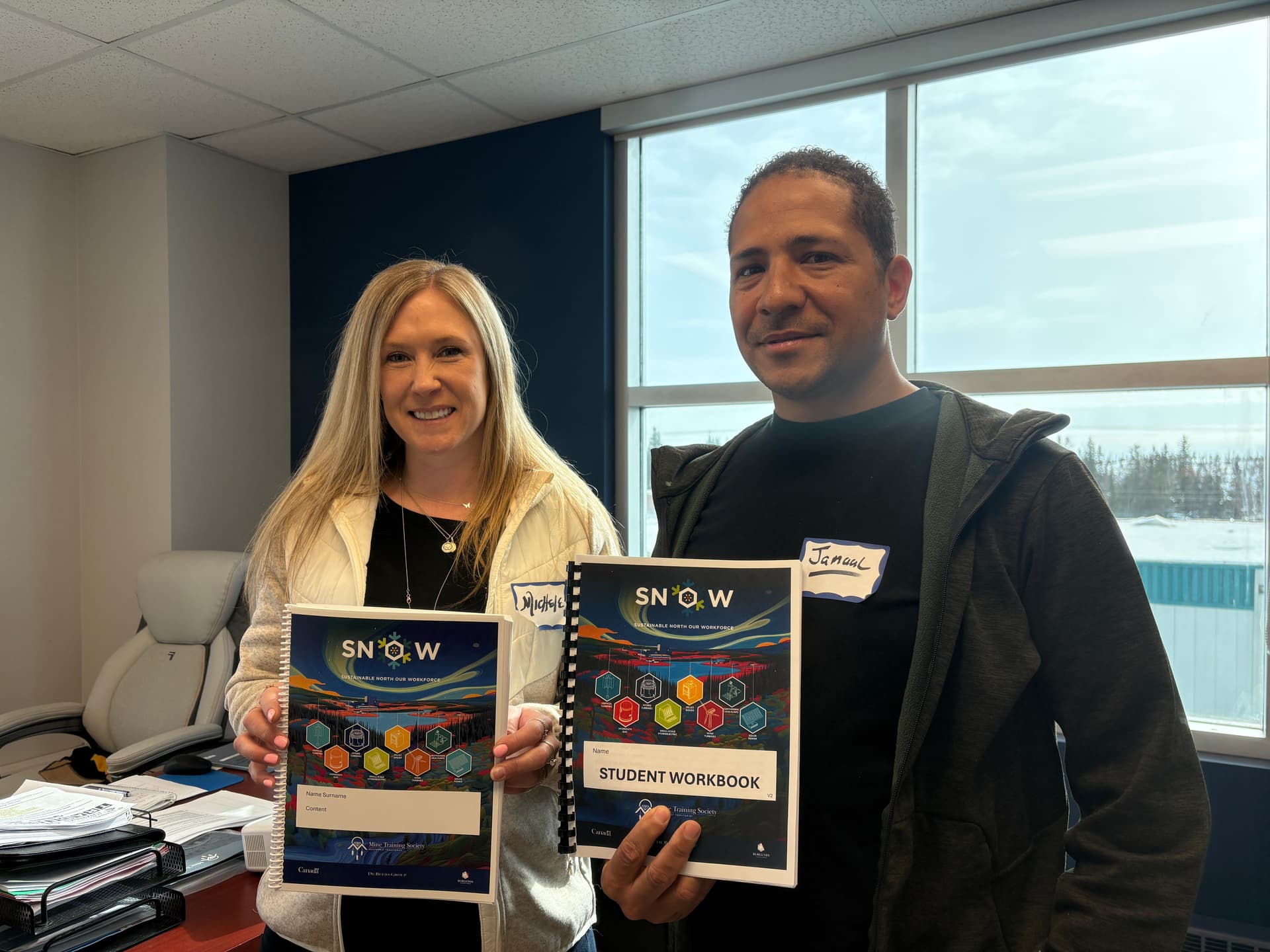
A Northern Job Training Program Gains Momentum
A groundbreaking initiative in Canada's Northwest Territories is helping mine workers transition from diamond mining to renewable energy careers as the region's mining industry faces significant challenges.
The Sustainable North: Our Workforce Project (Snow)
The Mine Training Society's Sustainable North: Our Workforce project – known as Snow – was launched last year with an $8 million investment to prepare NWT workers for low-carbon employment opportunities. Seven months into its three-year mission, the program has built a team of 11 staff members and is now actively delivering courses across the territory.
Building From the Ground Up
Program director Steven Daniel explained that the first year focused on developing a curriculum specifically tailored to northern conditions, hiring instructors and coordinators, and creating training materials. Now, the focus has shifted to delivering hands-on courses in communities throughout the Northwest Territories.
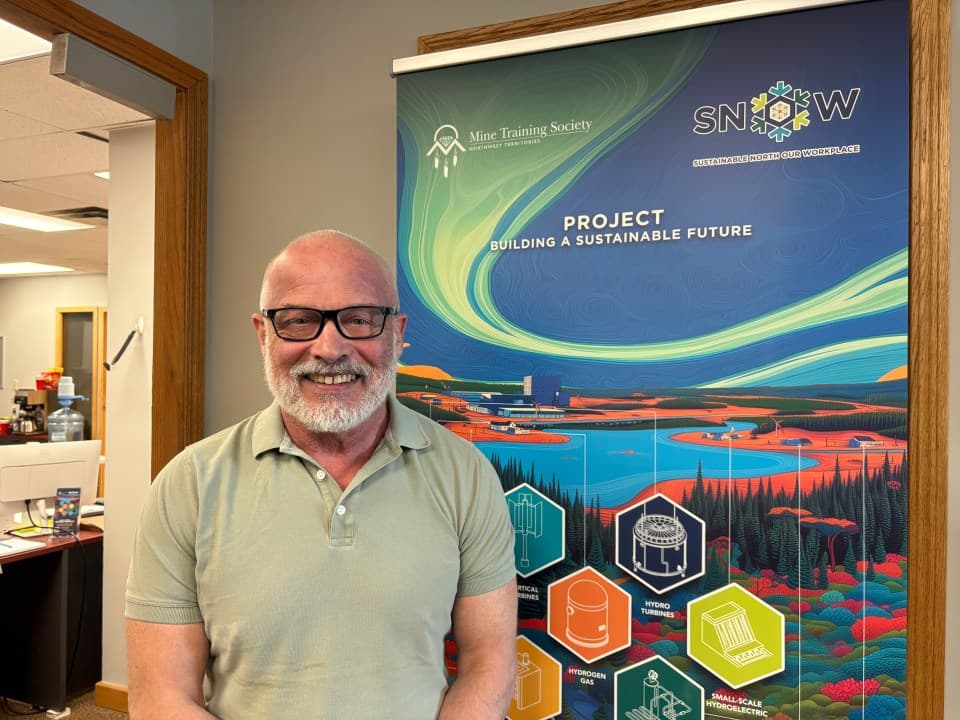 Steven Daniel, Snow project lead. Aastha Sethi/Cabin Radio
Strong Community Interest
The program has completed nine community visits including Inuvik, Aklavik, Tsiigehtchic and Behchokǫ̀, with solar energy drawing the most attention as daylight hours increase in spring. Daniel reported "a great deal of interest" in every location visited.
"It was such a joy to be in Ulukhaktok," Daniel said. "They were very excited to learn about solar power because they're keen on clean, sustainable energy sources that give them autonomy from relying on diesel fuel coming through on barges every year."
Timely Response to Mining Industry Changes
The program arrives at a critical moment as one of the NWT's three diamond mines has closed and two others face uncertain futures. With Diavik gone, Gahcho Kué looking at a 2028 closure, and Ekati's fate uncertain, hundreds of northerners may need to reinvent their careers in the coming years.
Course Offerings and Demand
The program offers introductory, hands-on courses in:
- Solar energy systems
- Wind power
- Small-scale hydro
- Biomass systems
- Geothermal systems
All courses have been designed specifically for northern environments, with equipment selected for its ability to perform in extreme weather conditions. Courses in Yellowknife are running regularly and filling up quickly, with a waiting list of about 45 people.
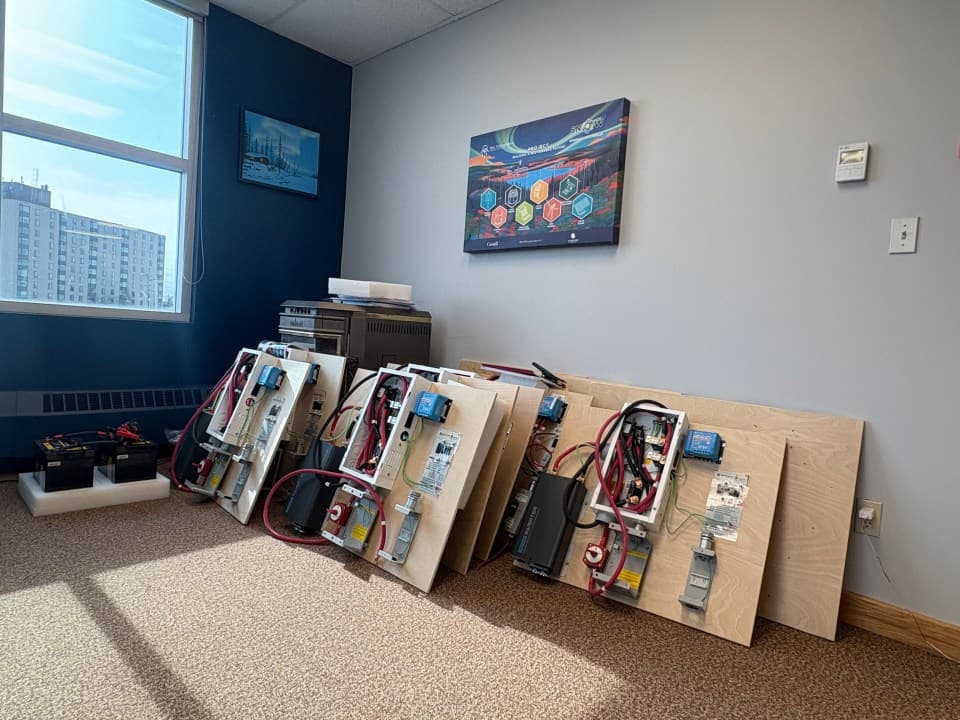 Storyboards on which participants work. Aastha Sethi/Cabin Radio
Participant Perspectives
Michele Balfour, a program participant, believes such initiatives are especially valuable in northern communities where reliance on diesel and high electricity costs remain ongoing challenges.
"The fact that you can come and learn about these things is the first step," Balfour said. "Just like AI, energy education and awareness is something everyone needs to be more knowledgeable about."
Jamaal Jackson-Grau enrolled after seeing program promotions and described his motivation: "Everywhere there's a need for it because you can't just depend on diesel to power these places. We have to figure out ways to harness things that are free like the sun and the wind and the water."
Looking Ahead
The program aims to reach approximately 1,850 participants over the next two and a half years. As it moves into its second year, the focus will be on expanding course offerings and reaching more communities across the North.
"All of our courses have basically been full," Daniel emphasized. "There's a great deal of interest in this."
- #mining
- #renewableenergy
- #careertransition
- #nwt
- #training
Comments · 0