AI Job Interview Cheats: Why Candidates Are Getting Caught and Failing at Work
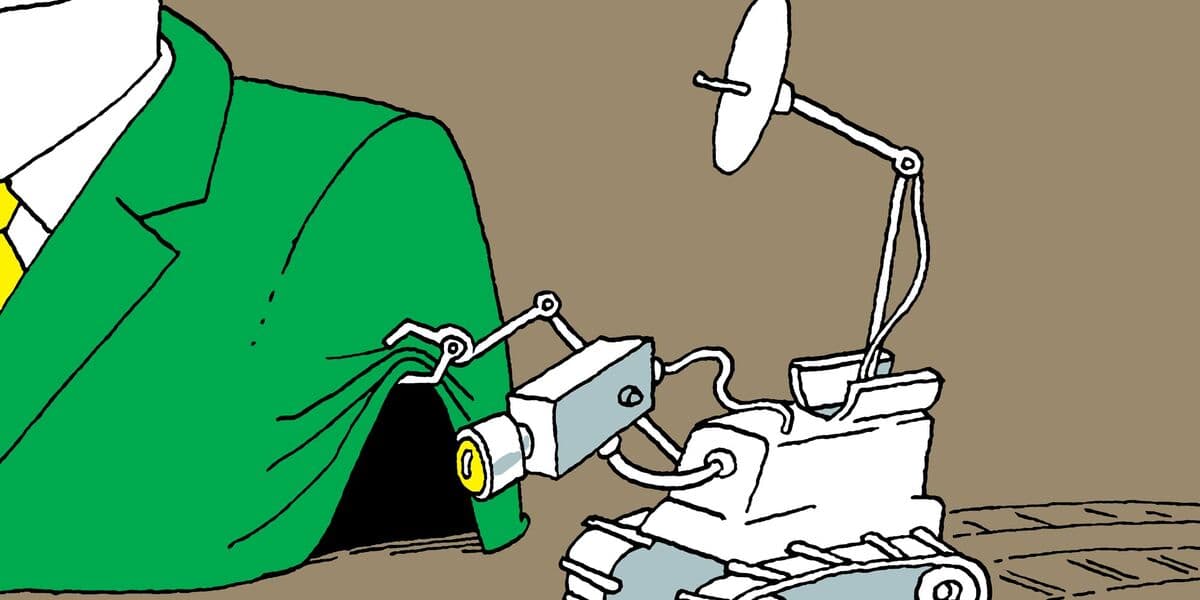
In retrospect, the interview had gone too well. The candidate’s answers were polished, if a little scripted. He seemed more than capable for the grant-writing job, so a New York City nonprofit hired him. Within a month, his boss realized he couldn’t do the project he had interviewed for. He froze on basic decisions and was far less nimble than he’d seemed from behind a screen.
The manager, who asked not to be identified discussing personnel matters — and because, she says, it’s embarrassing to admit you got duped by artificial intelligence — now feels almost certain the candidate had been covertly consulting a chatbot like ChatGPT during the virtual interviews.
This story is becoming increasingly common as job hunters use AI to cheat in interviews, only to fail once they land the job. The trend has left managers paranoid and scrambling to reverse course. They are now looking for ways to detect AI-assisted answers, such as asking more specific or unexpected questions that a chatbot might not handle well.
Key Takeaways:
- AI tools like ChatGPT are being used by candidates to generate polished responses during virtual interviews.
- This leads to a mismatch between interview performance and actual job skills, resulting in poor on-the-job performance.
- Employers are becoming more vigilant and are implementing strategies to identify AI-assisted cheating.
- #ai
- #jobinterviews
- #cheating
- #recruitment
- #workplace
Comments · 0